AUG 18, 2026 10:19 AM PT
Submitted by Pam Peterson
This story was originally published by The 19th and was republished with permission.
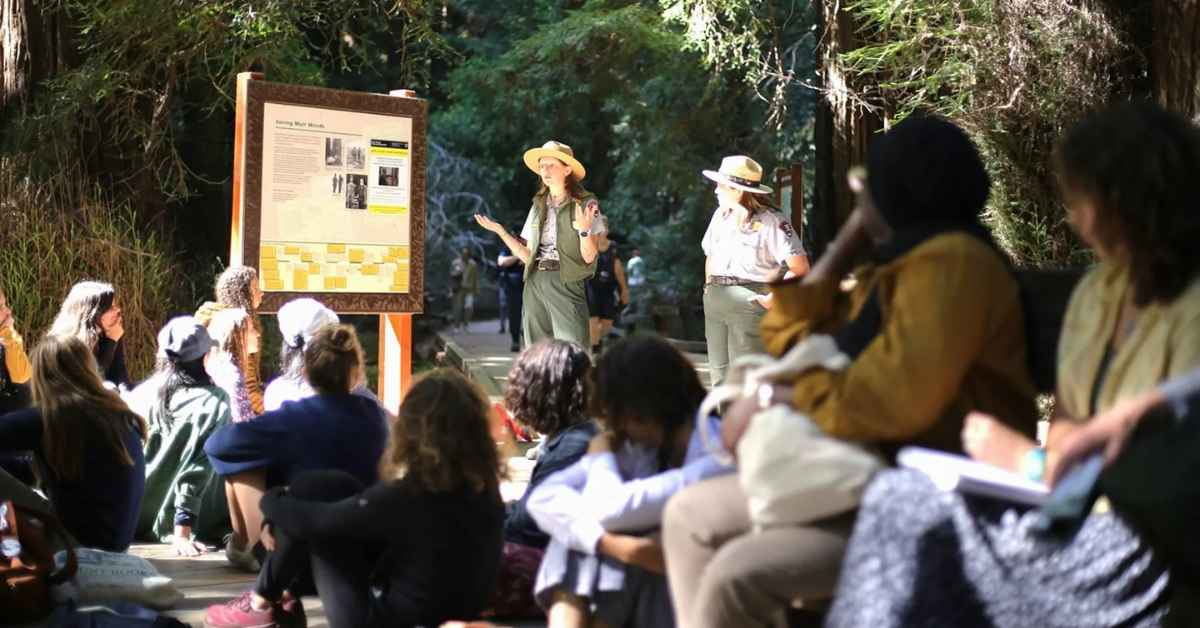
Jenny McBurney, a librarian specializing in government publications, was in Washington, D.C., in June when she heard the news that the Department of Interior, the agency responsible for overseeing the national park system, had produced a spreadsheet listing dozens of sites where it had removed materials deemed disparaging to Americans or unrelated to the beauty and grandeur of our national parks.
She and other people who happened to be in town for a convening about the importance of public history in telling the complete American story, decided to visit some of the places on the spreadsheet to see exactly what had been modified in the nation’s capital.
“We were calling it our little sign quest,” quipped McBurney. “We were going to go, and you know, hunt down as many as we can.”
One of the stops was the Belmont-Paul Women’s Equality National Monument, designated by the Obama administration in 2016 to honor the National Woman’s Party, which fought for women’s equality and was founded by suffragettes Alice Paul and Lucy Burns.
McBurney helped inspect the informational plaques outside the brick building until they found what they had been looking for: a recent alteration on a sign describing some of the tactics used by suffragists to fight for the right to vote.
A 2025 photo of the plaque shows the sign stating that after women were imprisoned for a protest outside of the White House in 1917, they were “beaten and force-fed when they went on hunger strikes.”
The sign now reads: “The women, many of whom came from prominent and politically connected families, demanded to be treated as political prisoners.”
The new placard also leaves out a reference that this was a turning point that helped change public opinion on women’s suffrage. In other words, they are “removing the fact that that action worked,” McBurney said.
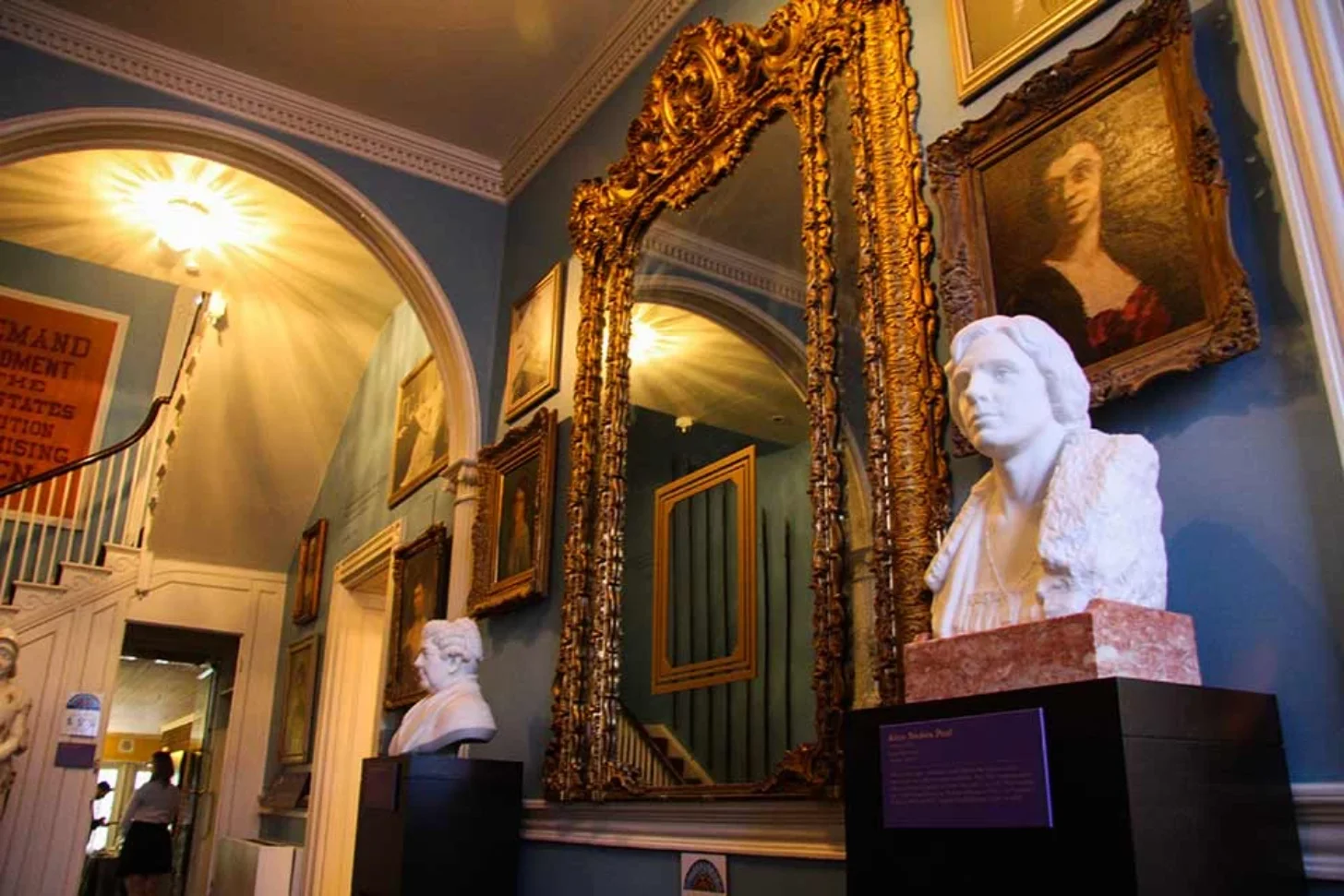
INSIDE THE BELMONT-PAUL WOMEN’S EQUALITY NATIONAL MONUMENT COURTESY OF NATIONAL PARK SERVICE
The 19th has contacted both the National Park Service and the Department of Interior to comment about this and other removals at national park sites and did not receive a response. (continued on page 2 or here)